
Drones have become more accessible, and many people wonder: should I buy my own and film myself, or hire a professional? Let's examine both options honestly — from the perspective of law, budget, and result quality.
Option 1: Film Yourself
Pros
Time Flexibility
Your drone — your schedule. You can film whenever you want, experiment, reshoot as many times as needed.
Long-term Savings
If you film regularly (blogger, realtor, builder), buying a drone may pay off.
Full Control
You decide what and how to film. No need to explain your vision to someone else.
Cons
Legal Requirements
This is the main catch. A drone is not a toy but an aircraft. It doesn't matter if you have a small €300 drone or a professional €3000 one — the rules are the same for everyone. In Estonia and the EU, strict requirements apply:
- Pilot certificate and registration — you need to pay a government fee, pass the EASA exam (minimum A1/A3), and register as a drone operator with Transpordiamet. The registration number must be applied to the drone itself. Every few years you need to re-pass the exam and pay the fee again
- Airspace knowledge — check restrictions before every flight
Restrictions in Tallinn
You must check the airspace restriction map before every flight. Almost all of Tallinn is covered by height restrictions due to the proximity of Lennart Meri Airport. Different zones have different limits — some allow flights up to 50 meters, others up to 25, and some prohibit flights entirely. Plus no-fly zones near military facilities, government buildings, prisons.

Violating height restrictions isn't just a fine. You could hit an aircraft, which leads to massive fines, court cases, and in the worst case — actual jail time if your negligence as an operator causes a catastrophe.
Consequences of Violations
- Fines from Estonian authorities
- Police involvement
- Equipment confiscation
- Criminal charges for serious violations
- Endangering air traffic — a particularly serious offense
Entry Cost
It seems like you buy a drone and you're ready to fly. But it's not that simple. After buying the drone, expect to spend roughly the same amount on accessories.
One battery lasts 20-40 minutes of flight. For professional filming, you'll need extra batteries and a charging station. Not just any SD cards will work either — 4K video files are large, you need high write-speed cards. Best to use only those approved by your drone manufacturer.
Bring spare propellers and tools to replace them. Propellers are fragile — a small scratch significantly disrupts the drone's balance. They're factory-balanced, so you need to replace them in pairs or all at once (like car tires). And don't forget a good carrying case for transport.
Learning Curve
Smooth cinematic fly-overs require practice. Your first shots will be far from professional level.
Weather and Conditions
Drones don't fly in rain, strong wind, or fog. While this is usually not a problem in central Europe, in Estonia no smart drone system will save you from strong wind. If your drone gets blown away — best case you damage it a bit, worst case your drone damages something else.
Additional recommendations:
- Don't fly at night — the drone's safety systems lose their effectiveness in darkness
- Work out a plan for what to do if your drone loses connection with the controller
- Pay close attention to where you take off — where it's easy to take off, it may be hard to land
- Like any other skill, piloting improves with experience
Option 2: Hire a Professional
Pros
Everything Legal
A professional operator has all certificates, knows the rules. All responsibility for legal compliance is on them.
Result Quality
An experienced pilot knows how to get the best angles, works with professional equipment, understands light and composition.
Post-processing
Usually the service includes color grading, editing, stabilization — a finished product, not raw files.
Time Savings
You don't need to study legislation, get certificates, master piloting and editing.
Equipment
Professionals use top-tier drones and cameras. You don't need to invest in equipment.
Cons
Per-project Cost
Each shoot — separate payment. With frequent shoots, costs add up.
Schedule Coordination
You need to arrange timing, depend on the operator's schedule.
Vision Communication
You'll need to explain exactly what you want to get.
When DIY Makes Sense
- You're ready to get an EASA certificate and learn the rules
- You film regularly (several times a month)
- You're ready to invest time in learning piloting
- You mostly film outside the city, where there are fewer restrictions
- It's part of your profession or serious hobby
When to Hire a Professional
- You need a one-time or rare shoot
- Guaranteed quality result is important
- Filming in Tallinn or restricted zones
- No time to get certified and learn the rules
- You need a finished product with editing, not raw material
- You don't want to bear legal responsibility for flights
Our Approach
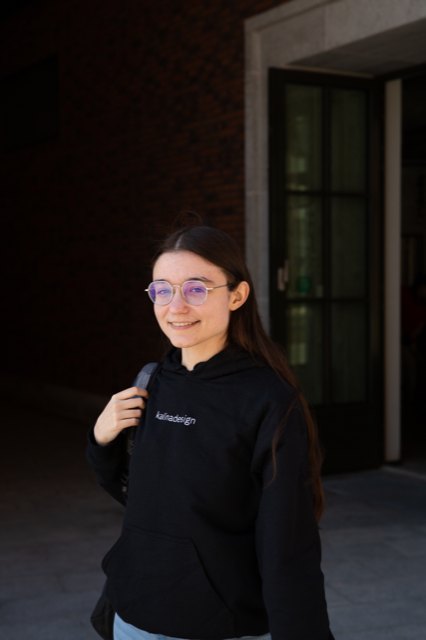
Our pilot Zoia Paju holds an EASA A1/A3 certificate issued by Transpordiamet (registration number EST-RP-9kaeexyvhlw0, valid until 14.08.2030).

We handle:
- All permits and approvals
- Weather and conditions checks
- Compliance with all airspace regulations
- Professional filming and editing
You just receive the finished material.
Conclusion
Your own drone means freedom and control, but also serious responsibility. A professional means quality and safety without the headache of legislation. The choice depends on your goals, filming frequency, and willingness to invest time in learning.
Want to discuss your project? Contact us — consultation is free.
